
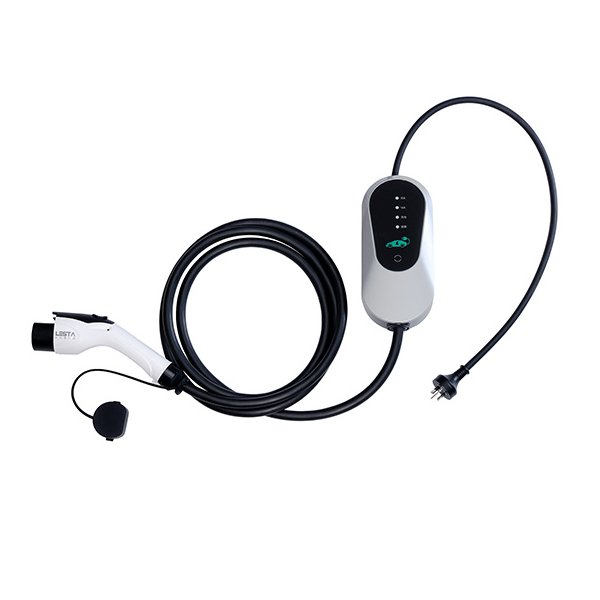
Electric car charging stations are becoming a staple for EV drivers, but choosing the right one can feel overwhelming. This 2026 practical guide simplifies the process, covering key details optimized for Google’s top searches—all concise and under 500 words.
For daily use, home charging is unbeatable. Level 1 chargers are the most affordable ($200-$500) and require no professional setup, but their slow speed (2-5 miles per hour) works best for casual drivers. Daily commuters should opt for Level 2 chargers (240V), which add 10-60 miles hourly and cost $500-$2,000, plus $300-$1,500 for installation.
On long trips, public charging stations are your best bet. Level 2 public chargers are easy to find at shopping centers and offices, while DC Fast Chargers (50-350kW) at highways let you top up 60+ miles in 20 minutes—perfect for reducing range anxiety, though they’re costlier to install commercially ($10k+).
Save money with federal tax credits (30% off home installation, up to $1,000) and smart charging. 2026’s top smart chargers let you control sessions via app, charging during off-peak hours to cut electricity costs by up to 40%.
Always check compatibility: Most EVs use J1772 connectors for Level 1/2 chargers, while DC Fast Chargers use CCS or CHAdeMO. A durable charger with a 3+ year warranty ensures long-term value, making EV ownership simpler and more affordable.