
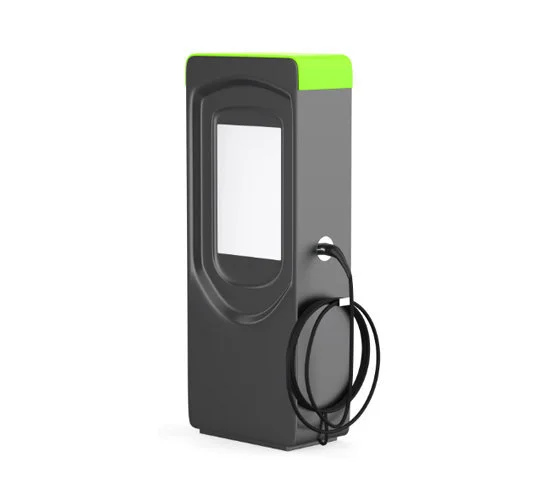
As electric vehicle (EV) use becomes more widespread, finding the right electric car charging station doesn’t have to be overwhelming. This 2026 guide shares straightforward tips, key considerations, and budget-friendly advice—optimized for Google’s top search queries, all in under 500 words.
For home EV owners, speed and convenience matter most. Level 1 chargers (120V) are cheap ($200-$500) but slow, best for those who rarely drive long distances. Level 2 chargers (240V) are the smarter pick: they add 10-60 miles of range per hour, work with all modern EVs, and cost $500-$2,000 plus $300-$1,500 for professional installation.
Business owners can use EV chargers to gain a competitive edge. Level 2 chargers are affordable and attract eco-friendly customers, while DC Fast Chargers (50-350kW) are perfect for high-traffic areas, offering quick 20-minute top-ups (starting at $10,000+). Both options boost your business’s sustainability image.
Don’t miss out on savings: federal tax credits cover 30% of home installation costs (up to $1,000), and many local utilities offer extra rebates. Smart chargers are a 2026 must-have—they let you schedule charging during off-peak hours, cutting electricity bills significantly.
When choosing a charger, prioritize compatibility (most use J1772 connectors) and durability (look for 3+ year warranties). Whether for home or business, the best EV charging station fits your needs without overcomplicating your routine.