
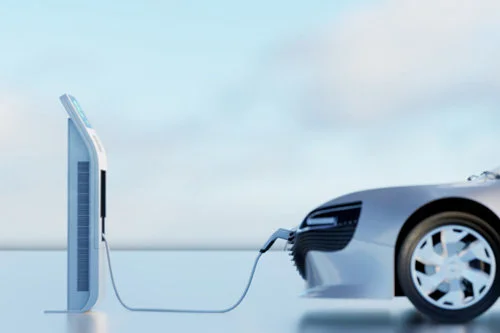
As electric vehicles (EVs) grow in popularity, choosing the right electric car charging station becomes essential for drivers and businesses alike. This concise guide breaks down the key types, costs, and FAQs to help you make informed choices—optimized for 2026’s most searched EV charging needs.
There are three main types of EV charging stations. Level 1 chargers use a standard 120V outlet, offering 2-5 miles of range per hour. They’re affordable ($200-$500) and ideal for home use, requiring no professional installation. Level 2 chargers (240V) are the most popular, delivering 10-60 miles of range per hour. Priced $500-$2,000 plus $300-$1,500 for installation, they work well for homes, offices, and retail spaces.
DC Fast Chargers (Level 3) are the fastest option, providing 60-200+ miles of range in 20-30 minutes. Designed for public areas and highways, they cost $10,000-$50,000+ with specialized installation.
Costs can be reduced with incentives—like the U.S. federal tax credit (30% off home installation, up to $1,000). Most EVs are compatible with Level 1/2 chargers via standard J1772 connectors, while DC Fast Chargers use CCS or CHAdeMO (check your EV’s compatibility).
For 2026, smart chargers with Wi-Fi and ultra-fast DC options are trending, making EV charging more convenient. Whether you need a home electric car charger or a commercial solution, prioritize compatibility, speed, and local incentives to get the best value.