
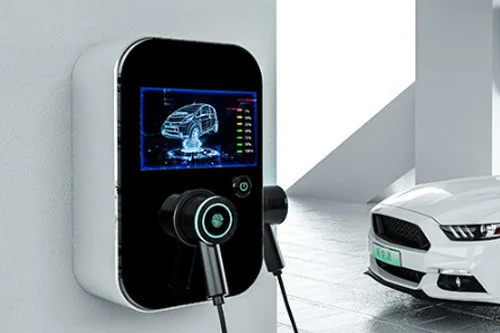
With electric vehicle (EV) adoption soaring, finding the right electric car charging station is key to hassle-free driving and smart business decisions. This 2026 guide simplifies what you need to know—from compatibility to cost-saving tips—tailored to Google’s top EV charger search queries.
For homeowners, the choice often comes down to Level 1 vs. Level 2 chargers. Level 1 is budget-friendly ($200-$500) but slow, ideal for occasional use. Level 2 chargers (240V) are worth the investment: they add 10-60 miles of range per hour, fit most EVs, and cost $500-$2,000 plus installation. Many qualify for federal tax credits, cutting upfront costs by 30% (up to $1,000).
Businesses benefit from Level 2 or DC Fast Chargers. Level 2 chargers attract customers and employees, while DC Fast Chargers (50-350kW) cater to drivers needing quick top-ups—perfect for retail spaces or highways. They’re pricier ($10k-$50k+) but boost foot traffic and sustainability credentials.
Key tips: Check your EV’s connector type (most use J1772 for Level 1/2; DC Fast uses CCS/CHAdeMO). Opt for smart chargers with Wi-Fi to monitor usage and schedule charging during off-peak hours, saving on electricity bills.
2026’s top trend? Energy-efficient chargers that integrate with solar systems. Whether for home or business, prioritize reliability, compatibility, and incentives to choose the best EV charging station for your needs.