
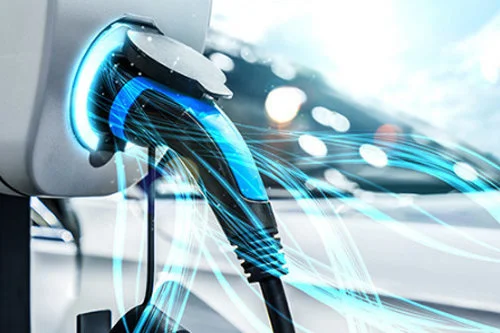
If you’re new to electric vehicles (EVs) or looking to upgrade your charging setup, navigating electric car charging stations can feel confusing. This 2026 quick guide cuts through the noise, covering the essentials optimized for Google searches—all in under 500 words.
Home charging is the most convenient option for most EV owners. Level 1 chargers (120V) plug into standard outlets, costing $200-$500, but only add 2-5 miles of range per hour. For daily commuters, Level 2 chargers (240V) are a game-changer, delivering 10-60 miles hourly and costing $500-$2,000, plus installation fees of $300-$1,500.
Public and commercial charging stations offer flexibility for long trips. Level 2 public chargers are widely available at stores and offices, while DC Fast Chargers (50-350kW) at highways and rest stops provide 60+ miles of range in just 20 minutes, though they’re pricier to install ($10,000+).
Maximize savings with federal tax credits (30% off home installation, up to $1,000) and local rebates. Smart chargers are essential in 2026—they connect to your phone, letting you monitor usage and charge when electricity rates are lowest, saving you money long-term.
Compatibility is key: Most EVs work with Level 1/2 chargers via J1772 connectors, while DC Fast Chargers use CCS or CHAdeMO. Choose a durable charger with a 3+ year warranty to avoid future headaches. For EV owners, the right charging station makes ownership simple and cost-effective.